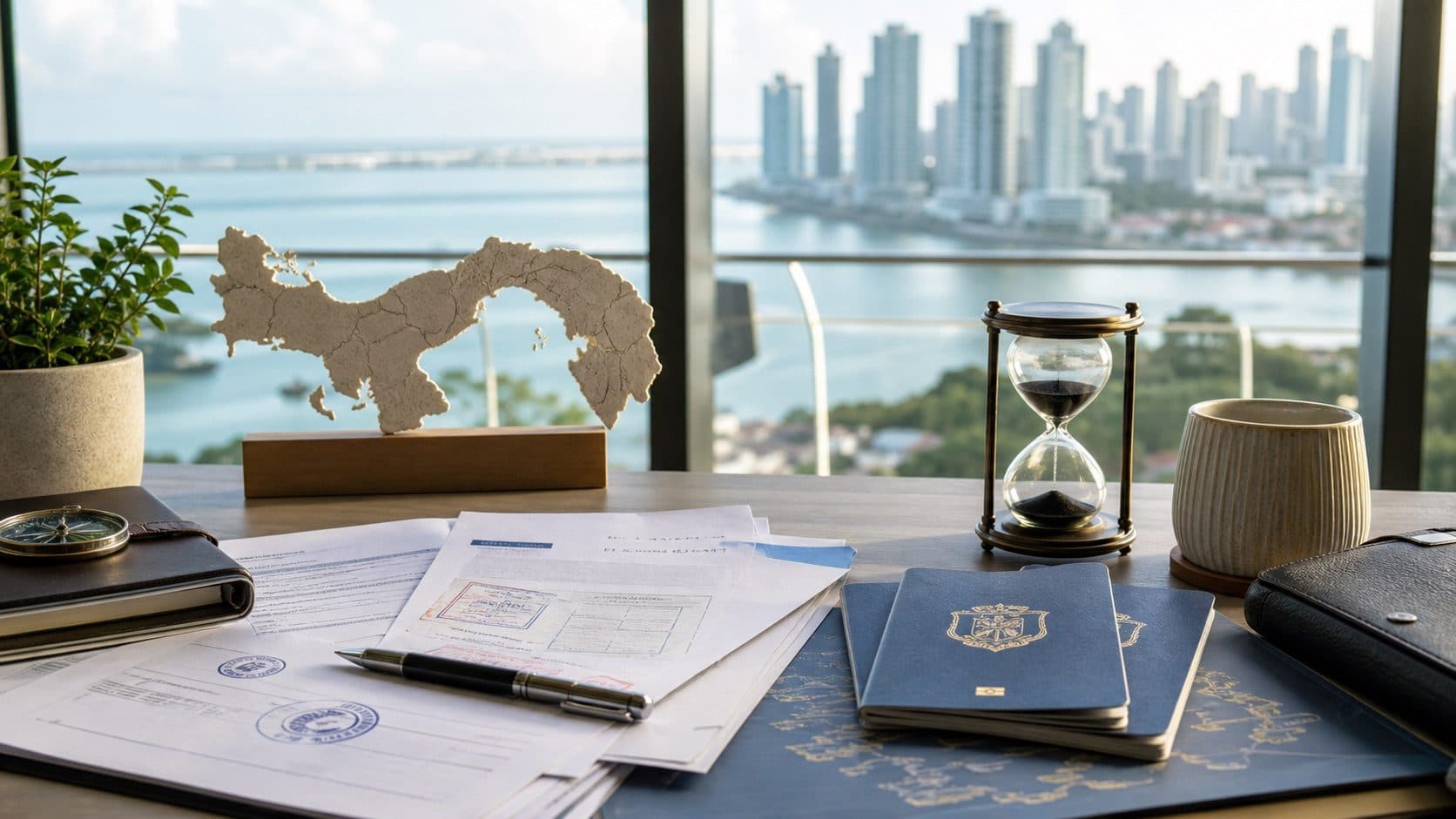
Real Estate and Panama Residency: What Investors Should Understand
Residency is one of the most common reasons international buyers ask about Panama real estate. For some, the property is a lifestyle purchase first. For others, it is part of a broader plan to create a base in Panama, diversify assets, or qualify for a residency pathway.
The important point is this: a good real estate purchase and a good immigration strategy are related, but they are not the same thing.
Start with the objective
Before looking at properties, decide what you want Panama to do for you. Are you seeking a second residence, retirement base, rental income, family relocation, tax planning conversation, or long-term optionality?
That answer affects the type of property you should consider. A visa-driven buyer may need to think about title, registered value, timing, ownership structure, and documentation differently from a buyer focused only on lifestyle.
Coordinate with a qualified attorney
Immigration rules, documentary requirements, investment thresholds, and processing standards can change. That is why buyers should confirm current residency requirements with a licensed Panamanian immigration attorney before relying on any property purchase for immigration purposes.
A broker can help identify properties that may fit the investment profile, but an attorney should confirm whether the structure, timing, and documents support the residency plan.
Real estate still has to stand on its own
Some buyers become so focused on residency that they overlook the property itself. That is risky. Even if a purchase supports a residency process, it should still make sense as real estate.
Review location, building quality, resale demand, rental potential, monthly fees, title, taxes, and future buyer appeal. The strongest investments serve both goals: they support the buyer's Panama plan and remain attractive assets on their own.
Documentation matters
When a property purchase is connected to residency planning, organization is critical. Buyers should expect to coordinate:
- Purchase agreement and closing timeline.
- Proof of funds and payment records.
- Public Registry documentation.
- Corporate or foundation documents if used.
- Bank, tax, and identity documents.
- Legal translations, apostilles, or certifications when required.
How PJR helps
Philip James Realty does not provide immigration legal advice. What we do is help buyers understand the real estate side of the equation: which locations fit the objective, which properties are easier to document, which listings are realistically priced, and which assumptions deserve a second look before money moves.
For investor-residency buyers, that coordination can save time, reduce confusion, and help the real estate decision support the larger Panama plan.